Taking Control of Safety: Operating a Handheld Carbon Monoxide Detector
Utilizing Your Handheld CO Detector for Effective Safety Checks
Carbon monoxide (CO) is a colorless, odorless gas that can be deadly in high concentrations. While permanent CO detectors are crucial for your home, a handheld carbon monoxide detector offers an additional layer of safety and peace of mind. Knowing how to operate this portable device effectively can empower you to identify potential CO leaks and take prompt action.
Before using your handheld CO detector, familiarize yourself with its features. Most detectors have a power button, an alarm that sounds when CO levels exceed safe limits, and a digital display that shows the CO concentration in parts per million (ppm). Some models may also have additional features like a backlight for improved visibility in low-light conditions or an audible beep that increases in frequency as CO levels rise. Always consult the user manual for your specific detector to understand its functionalities.
Operating a handheld CO detector is generally straightforward. Turn on the device and allow it to warm up for the specified time mentioned in the user manual. While the detector warms up, visually inspect potential CO sources like furnaces, water heaters, and gas fireplaces for any visible damage or signs of improper ventilation.
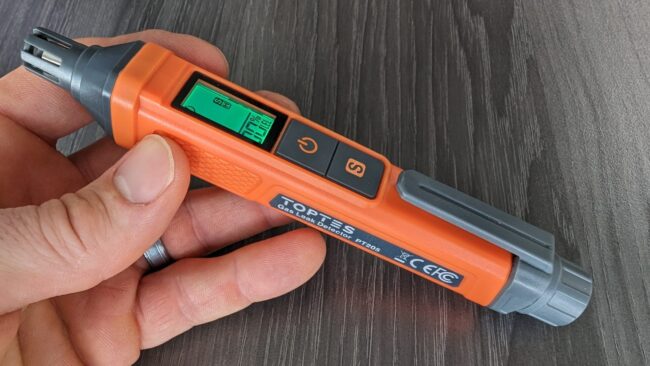
Once warmed up, slowly move the detector around the suspected CO source, holding it at various heights. The detector will continuously monitor CO levels and display the reading on the screen. If the CO concentration exceeds the safe limit set by the alarm (typically around 30-ppm), the detector will sound a loud alarm.
If the alarm sounds, evacuate the area immediately and ensure everyone gets fresh air. Open doors and windows to ventilate the space. Do not re-enter the area until the alarm has stopped and the CO level is confirmed safe, preferably using a qualified professional with a more sophisticated CO meter.
Remember, a handheld CO detector is a valuable tool for initial detection, but it’s not a substitute for a permanent CO detector in your home. Invest in both for comprehensive CO safety. By understanding how to operate your handheld CO detector and taking appropriate action when the alarm sounds, you can play a proactive role in safeguarding yourself and your loved ones from the dangers of carbon monoxide poisoning.
…